
TL;DR
- The Spreadsheet Ceiling: Spreadsheets work well for early-stage operations, but rapidly fail when order volume, multi-location warehouses, and dynamic bills of materials scale up.
- Margin Visibility Gaps: Disconnected inventory software conceals true landed costs, freight fees, and scrap rates, leaving leadership unable to calculate exact product profit margins.
- Traceability Risks: Manual lot and serial tracking methods increase compliance risks and prolong quality audits when product issues arise on the production floor.
- Modular Scale: A structured Odoo ERP implementation eliminates systems fragmentation by unifying procurement, inventory control, and financial reporting into a single source of truth.
Recognizing Manufacturing ERP Tipping Points in Growing Operations
Manufacturing ERP tipping points occur when operational complexity outpaces spreadsheet tracking, resulting in inventory discrepancies, delayed customer fulfillment, uncalibrated unit costs, and manual data re-entry. Identifying these operational signals allows scaling manufacturers and distributors to transition toward automated enterprise resource planning before stockouts compromise market share.
For expanding discrete manufacturers, wholesale distributors, and multi-channel e-commerce brands, growth introduces a silent challenge: operational complexity. In early business stages, managing raw materials, assemblies, purchasing schedules, and customer invoices across standalone software apps or shared spreadsheets is manageable.
However, as product variants increase, assembly lines expand, and transaction volumes multiply, static spreadsheets cease to function as coordination tools—they turn into operational bottlenecks.

When operational teams spend more time reconciling data across disparate systems than executing orders, the organization hits a critical inflection point. Ignoring these operational indicators leads to bloated carrying costs, missed delivery deadlines, uncalibrated unit economics, and severe staff burnout.
Recognizing the key signs you need an ERP allows operational leaders to move proactively from reactive troubleshooting to structured material requirements planning.
Tipping Point 1: Severe Inventory Management Bottlenecks and Stock Discrepancies
Inventory management bottlenecks emerge when physical stock counts repeatedly diverge from digital records across multiple sales channels. This breakdown forces staff into manual reconciliations, delays order fulfillment, increases carrying costs, and creates severe stockouts or over-purchasing that burn operating cash flow.
The most evident indicator of operational drag is a growing disconnect between your software inventory metrics and actual physical warehouse counts. When warehouse managers conduct routine cycle counts and continuously discover missing components, misallocated finished goods, or untracked scrap material, your core inventory system has reached its limit.

The Anatomy of Inventory Breakdown
The Human Data Bridge: Team members manually re-type order details from e-commerce platforms or sales quotes into inventory spreadsheets, creating data entry errors.
Buffer Hoarding: Production managers order safety stock blindly because they lack confidence in system counts, locking up working capital in dead inventory.
Ghost Stockouts: Front-end sales reps mark items as out-of-stock when components sit unreceived on the dock, missing sales opportunities.
Inventory Operational Metric | Spreadsheet / Legacy Process | Integrated Odoo ERP Implementation | Operational Benefit |
Inventory Accuracy | 70% – 85% (Subject to manual logging errors). | 99%+ real-time accuracy via barcode scanning. | Prevents ghost stockouts and missed sales opportunities. |
Stock Count Speed | Days spent on full manual physical audits. | Ongoing cycle counts verified in hours. | Cuts warehouse labor overhead and operational downtime. |
Purchasing Triggers | Reactive reordering after stock drops to zero. | Automated Min/Max reorder point rules. | Keeps component inventory aligned with live production demand. |
Tipping Point 2: Blind Spots in Gross Margins and Landed Cost Calculations
Margin blind spots develop when fluctuating bill of materials (BOM) pricing, freight overhead, and labor allocations remain untracked across disparate systems. Without automated landed cost tracking, leadership lacks real-time visibility into exact product margins, resulting in underpriced contracts and erosion of net profitability.
A growing company can record rising top-line revenue while experiencing shrinking net margins. This profitability drain occurs when purchasing, freight, duty, labor, and overhead fees are tracked in isolated accounting software rather than tied directly to specific assembly job costs.
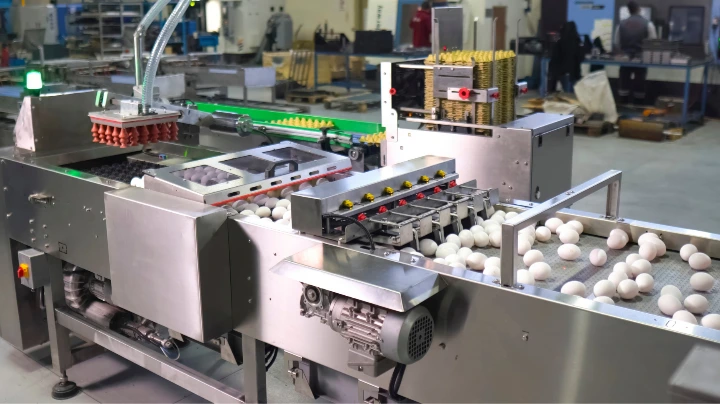
Without an integrated enterprise system, calculating true landed costs requires manual spreadsheet modeling after accounting period closes. By the time finance identifies that raw material cost hikes or container freight surcharges turned a high-volume product line unprofitable, weeks of margin erosion have already occurred.
An Odoo ERP implementation automatically links inbound vendor bills, freight allocations, and manufacturing work orders directly to finished goods inventory valuation. This dynamic tracking ensures sales teams quote prices based on real production costs rather than outdated historical estimates.
Tipping Point 3: Traceability and Quality Control Vulnerabilities
Quality control vulnerabilities happen when serial number, batch, and lot tracking relies on manual logbooks or isolated spreadsheets. This disconnect leaves production teams unable to rapidly perform backward and forward trace audits, increasing regulatory compliance risk and extending quarantine resolution times during quality investigations.
As manufacturing operations scale, quality assurance shifts from a routine task to a critical business requirement. Whether managing discrete electronic components, industrial assemblies, or consumer goods, maintaining bi-directional traceability across every production step is vital.

When a defective batch component is detected on the assembly floor, or a vendor issues a component recall, your quality team must act quickly:
Which exact finished product units contain the defective vendor batch?
Which customer orders have already shipped, and which remain in the warehouse?
Which work orders currently on the shop floor are utilizing affected stock?
Answering these questions via spreadsheets requires hours of cross-referencing paper logs, physical receipts, and shipping manifests. Integrated ERP systems track every lot number and serial assignment automatically from initial purchase order receipt through shop-floor assembly to final customer delivery.
Tipping Point 4: Multichannel Fulfillment Friction and Systems Fragmentation
Multichannel fulfillment friction occurs when wholesale, e-commerce, and direct sales teams pull from a shared inventory pool without real-time allocation software. Manual handoffs between isolated applications create order processing delays, duplicate entries, shipping errors, and severe strain on customer support teams.
Operating an enterprise with isolated software tools—such as standalone accounting packages, separate e-commerce platforms, distinct warehouse apps, and offline spreadsheets—creates operational drag.
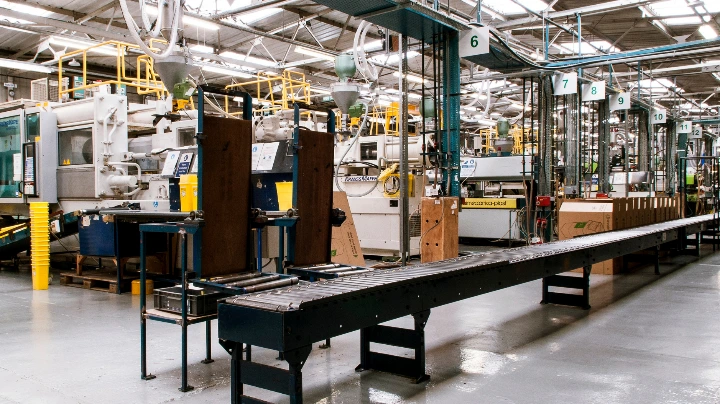
This fragmentation forces your staff to serve as manual human bridges: exporting CSV files from one system, reformatting column headers in Excel, and importing data into another tool.
Symptoms of Systems Fragmentation
Fulfillment Lag: Orders sit unprocessed for 24–48 hours while staff manually verify stock and re-key invoice data.
Channel Allocation Conflict: A large wholesale B2B order clears out stock reserved for incoming direct-to-consumer e-commerce purchases, causing fulfillment delays.
Inaccurate Lead Times: Sales reps promise standard delivery lead times to clients without visibility into raw material purchasing backlogs or active work order queues.
Unifying Operations Through Odoo ERP Implementation
An Odoo ERP implementation consolidates sales orders, procurement, inventory tracking, bill of materials, and financial reporting into a single unified architecture. Replacing fragmented applications with modular open-source enterprise software automates material requirement planning, optimizes production scheduling, and protects long-term operational margins.
Addressing manufacturing ERP tipping points does not require a disruptive multi-year IT project. Modern modular software platforms like Odoo allow scaling businesses to deploy essential operational capabilities in structured phases, matching implementation speed to organizational capacity.
Key Modules of an Integrated Odoo Platform
Inventory & Warehouse Management: Enables multi-warehouse inventory control, automated reorder thresholds, dynamic routing rules (cross-docking, drop-shipping), and mobile barcode scanning.
Manufacturing (MRP): Unifies multi-level bills of materials, work center capacity scheduling, scrap tracking, and real-time manufacturing order execution.
Purchase & Procurement Automation: Automates vendor purchase orders based on minimum stock rules, active manufacturing demand, and forecasted lead times.
Sales & Multi-Channel CRM: Connects B2B sales quotes, point-of-sale systems, and e-commerce store channels directly to live inventory allocations.
Moving from static spreadsheets to a unified Odoo ERP architecture transforms your operational model from reactive firefighting to predictable, scalable growth.
Frequently Asked Questions
Why do I need an ERP?
You need an ERP when manual inventory tracking, fragmented software systems, and spreadsheet reconciliations slow down order fulfillment and obscure profit margins. An ERP unifies procurement, inventory, production, sales, and accounting into a single real-time data system.
Is ERP difficult to learn?
Modern modular systems like Odoo ERP feature intuitive interfaces that simplify onboarding compared to legacy enterprise platforms. With phased implementation, role-specific user training, and tailored workflows, operational teams master daily tasks quickly without disrupting ongoing production.
What are the requirements for ERP?
Core requirements for ERP implementation include clean baseline inventory data, standardized bills of materials (BOMs), mapped operational workflows, executive leadership buy-in, clear department champion roles, and a structured data migration strategy before system deployment.
How much does it cost for a small business to implement an ERP system?
Implementation costs for growing businesses typically range from $15,000 to $100,000+ depending on scope, custom module requirements, user seats, and integration complexity. Open-source solutions like Odoo reduce licensing fees while maximizing operational return on investment.