
TL;DR / Key Takeaways
The Perishability Trap: Unaligned production lines create shop floor queues where raw ingredients spoil, directly eroding profit margins and increasing scrap rates.
Unified Control Beats Point Solutions: Adding faster point-solution machinery without balancing total line flow worsens downstream bottlenecks and inventory clutter.
Real-Time Lot Traceability: Modern food manufacturing inventory software automates First-Expired, First-Out (FEFO) picking, halting raw material expiration before processing begins.
Odoo MRP Line Balancing: Deploying an integrated ERP for food manufacturing synchronizes raw ingredient staging with actual packaging capacity, eliminating shop floor friction.
What Happens If a Bottleneck Occurs on the Production Line?
A production line bottleneck halts manufacturing velocity, creating upstream material pileups and downstream idle time. In food processing, unmanaged bottlenecks cause perishable ingredients to spoil on the shop floor, increase Work-In-Progress (WIP) queues, elevate scrap rates, and trigger severe batch expiration risks across active production runs.
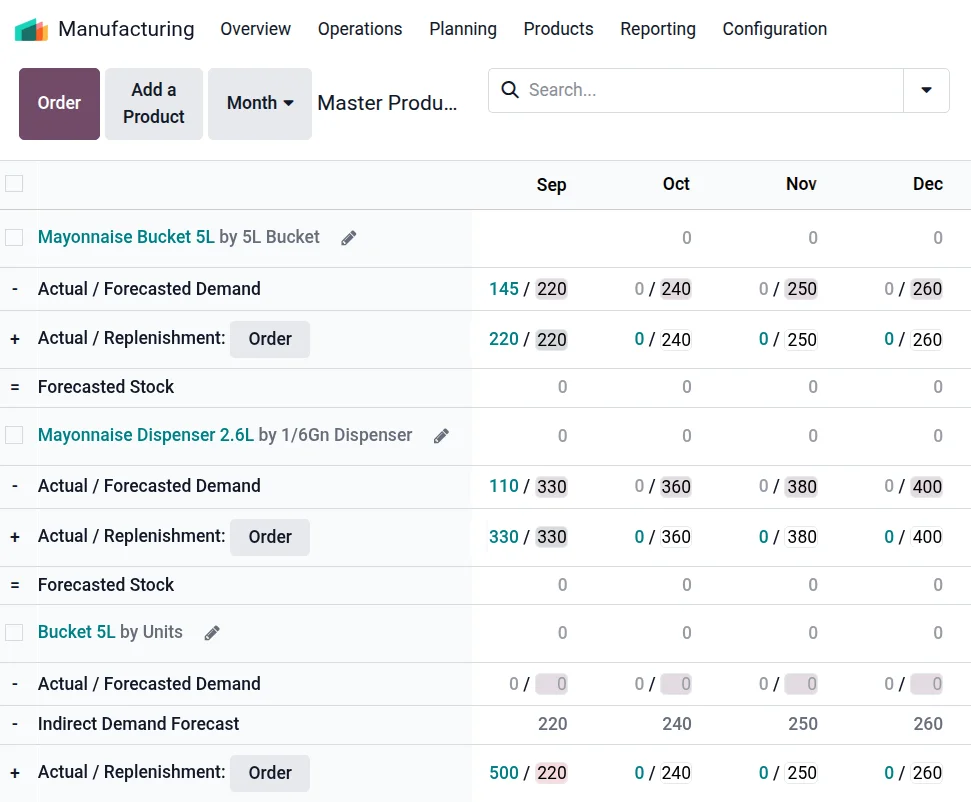
In food manufacturing and consumer packaged goods (CPG) production, a bottleneck is not merely a scheduling inconvenience—it is an active financial drain. Unlike discrete manufacturing, where metal or plastic parts sit quietly on pallets without degrading, food processing operates against an unforgiving expiration clock. When one section of a production line runs faster than subsequent packaging or cooling stages can handle, Work-In-Progress (WIP) inventory accumulates rapidly.
Consider a mid-sized food brand manufacturing organic salsa or bottled cold-brew coffee. If the cooking or mixing kettle releases 500 gallons of high-temperature liquid into a holding tank, but the downstream bottling or capping station experiences a minor mechanical delay, the batch begins to cool below required hot-fill temperatures. To comply with food safety standards, plant operators must either re-pasteurize the liquid—degrading product quality and flavor profiles—or dump the entire batch into the drain.
The compounding operational impacts of line bottlenecks include:
Ingredient Degradation and Scrap: Raw produce, dairy, or active cultures sitting in staging carts lose freshness, leading to texture loss, oxidation, or outright spoilage before reaching final sealed packaging.
Floor Congestion and Safety Hazards: Staged WIP carts clog facility aisles, impeding fork-truck movement, obscuring sanitation stations, and increasing cross-contamination risks between raw and cooked zones.
Unplanned Machinery Idle Time: While upstream workstations sit jammed with unprocessed inventory, downstream operators and high-cost packaging units remain idle, driving up labor cost per unit.
Distorted Demand Metrics: Production delays distort warehouse inventory counts, causing sales teams to promise orders that the factory floor cannot fulfill on time.
When plants attempt to solve bottlenecks by simply telling operators to work faster or by purchasing isolated, high-speed machinery without looking at total line flow, the bottleneck simply shifts downstream. Fixing the root issue requires total operational visibility over raw material staging, machine cycle times, and batch throughput.
What Tools are Used to Identify Bottlenecks in Manufacturing?
Modern food plants use an integrated ERP for food manufacturing with real-time shop floor scheduling and capacity tracking to identify bottlenecks. Software tools like Odoo MRP monitor work center execution times, queue lengths, and batch status, visually flagging line constraints before material queues overflow and cause ingredient waste.
Identifying a bottleneck after a batch spoils on the shop floor is too late. Plant managers require predictive tools that flag line imbalances while materials are still in raw storage. Deploying a dedicated ERP for food manufacturing provides a live, digital twin of the factory floor, tracking exact cycle times across every individual work center.
Through a unified platform like Odoo MRP, every step in a product’s Bill of Materials (BOM) is linked to a specific work center with standard operation durations. As operators log start and stop times using touchscreen terminals or barcoded scanners at each station, the system compares actual execution speeds against engineered standards.
When a discrepancy occurs—for example, if a sleeve-labeling machine runs 15% slower than rated due to film jamming—the software visually highlights the workstation on the central management dashboard in red.
The table below contrasts traditional bottleneck identification techniques with a modern, software-driven approach:
Operational Metric | Manual / Clipboard Tracking | Odoo MRP & Food Manufacturing ERP |
Data Collection Speed | Delayed; collected via paper logs at shift end. | Real-time; captured automatically via scanner clicks or IoT sensors. |
Queue Visibility | Invisible until physical carts block shop floor aisles. | Instant digital alerts when WIP queues exceed defined batch thresholds. |
Yield & Variance Origin | Estimated based on end-of-week waste bin counts. | Pinpointed to the exact workstation, operator shift, and material lot. |
Line Capacity Planning | Static estimations based on ideal machine ratings. | Dynamic scheduling based on actual historical work center performance. |
Traceability Linkage | Disconnected from inventory stock levels. | Fully integrated with lot numbers, expiration dates, and sales orders. |
By utilizing a food manufacturing inventory management software, operations leaders gain clear visibility into line dynamics. Instead of guessing why shift output dropped by 20%, managers can analyze digital work-center logs to see precisely where batches accumulated, enabling targeted engineering or process adjustments.
How Do You Remove Process Bottlenecks?
Food manufacturers remove process bottlenecks by establishing pull-based production scheduling and synchronizing workstation capacities. By deploying specialized inventory management software for food industry applications, plants align raw material staging directly with downstream packaging throughput, balancing workstation flow to ensure continuous product movement.
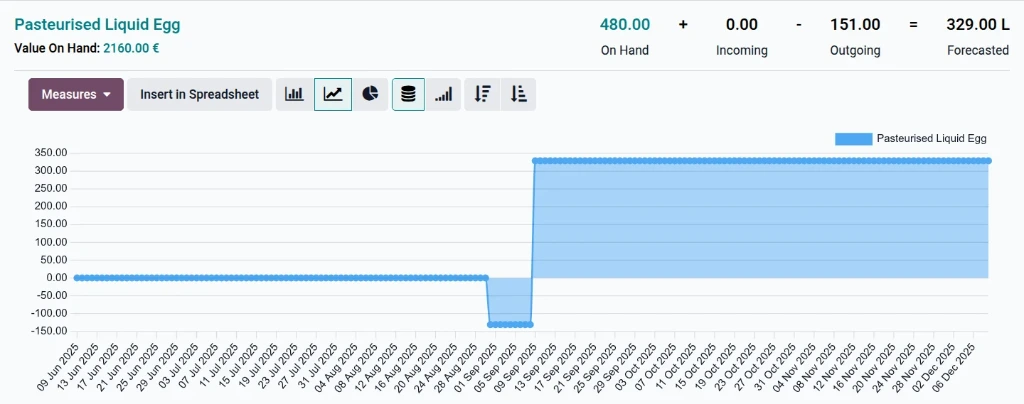
Removing process bottlenecks requires shifting from a "push" manufacturing mindset to a "pull" operational model. In a traditional push system, upstream kitchens mix maximum batch volumes and push them down the line, regardless of whether downstream teams are ready to package them. A pull system, managed via inventory management software for food industry implementations, only releases raw ingredients into active production when downstream packaging capacity is confirmed ready.
To eliminate line constraints and maintain continuous material flow, plant leaders should execute a three-step operational method:
1. Implement Capacity-Based Workstation Routing
Configure your manufacturing software to calculate real-time line availability. If a primary packaging line suffers an unplanned maintenance hold, Odoo MRP dynamically re-routes active mixing batches to secondary packaging lines or adjusts upstream batch release times, keeping raw ingredients safely stored in temperature-controlled coolers rather than sitting idle on the shop floor.
2. Standardize Changeover Matrix Rules
Frequent product changeovers—such as switching a sauce line from garlic marinara to spicy arrabbiata—are primary causes of unexpected bottlenecks. Utilizing food manufacturing inventory software, planners map out changeover matrixes that schedule production runs logically by allergen profile, color, or container size. Grouping similar production runs minimizes wash-down downtime, keeping lines moving smoothly.
3. Establish Buffer Stock Management for Packaging
Machinery breakdowns often occur at the final packaging stage. To prevent packaging stalls from halting the entire kitchen, establish structured, refrigerated holding buffers with strict time caps. By using food manufacturing inventory management software, managers track the exact age of held product in real time, triggering automated alerts if a batch approaches its maximum allowable hold time before requiring rapid packaging or re-chilling.
How Can Automation Reduce Waste in a Manufacturing Company?
Automation reduces waste by replacing manual estimation with real-time lot tracking, automated recipe management, and synchronized inventory control. Connected food manufacturing inventory software prevents over-prepping raw ingredients, tracks batch expiration dates, and automates scrap logging to maintain strict yield control across every production shift.
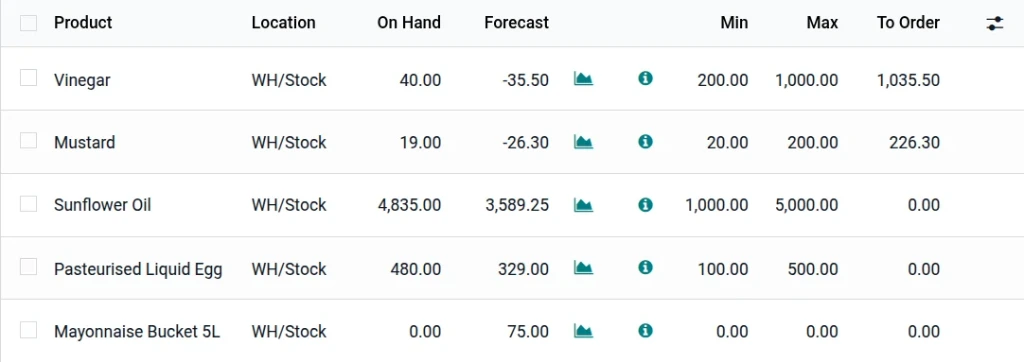
When food manufacturers evaluate how to reduce waste, they often look first at mechanical scrap catchers or physical recycling systems. However, the most effective way to eliminate waste is preventing raw material over-preparation and ingredient expiry at the software level.
Modern food manufacturing inventory software automates data tracking across the material lifecycle, systematically eliminating the primary human errors that lead to food waste:
First-Expired, First-Out (FEFO) Picking Governance
Manual warehouse management often leads to operators picking the closest pallet of flour, sugar, or oil, leaving older inventory buried at the back of the rack. By the time those older pallets are uncovered, their shelf life has expired, forcing the plant to scrap thousands of dollars in raw materials. Automated inventory software enforces FEFO rules on handheld scanners, directing warehouse staff to the exact rack and lot number that expires first.
Precision Bill of Materials (BOM) Scaling
Scaling recipes manually using spreadsheets or whiteboards introduces rounding errors. If an operator miscalculates a minor ingredient like spice blend or emulsifier for a 1,200-liter batch, the entire batch may fail quality assurance testing and be scrapped. An integrated ERP for food manufacturing automates recipe scaling based on target yield, sending exact ingredient weights directly to digital floor scales.
Automated Scrap Categorization and Logging
Understanding how to reduce scrap in manufacturing requires precise knowledge of where and why waste occurs. Automated MRP systems require operators to log scrap reasons (e.g., equipment jam, quality failure, or spillage) on shop floor terminals before closing a work order.
Capturing structured scrap data enables plant engineers to address root causes systematically—replacing a worn filling valve or adjusting line speed—rather than treating waste as an inevitable cost of doing business.
What Are Some Strategies for Reducing Waste in Food Manufacturing?
Key strategies to reduce waste include implementing FEFO inventory picking, establishing real-time shop floor lot traceability, conducting automated recipe scaling, and adopting a unified ERP for food manufacturing to align raw ingredient purchasing directly with confirmed customer demand.
Executing a comprehensive waste reduction plan requires combining shop-floor operational discipline with modern software capabilities. Food brands and CPG manufacturers can deploy four core strategies to streamline production and protect profit margins:
Strategy 1: Demand-Driven Material Requirements Planning (MRP)
Over-purchasing perishable raw materials is a leading cause of warehouse scrap. By deploying an ERP for food manufacturing, purchasing managers no longer rely on manual estimates. The system analyzes active sales orders, current finished goods stock, and lead times to calculate exact raw material purchase orders, ensuring fresh ingredients arrive right when production requires them.
Strategy 2: Closed-Loop Yield Variance Auditing
Plant leaders must track yield variance per batch. If a standard recipe requires 100 kg of dairy base, but shop floor consumption records show an average usage of 106 kg over a week, inventory software flags a 6% negative yield variance. This alerts operations to investigate operator over-pouring, scale miscalibrations, or unrecorded spillage.
Strategy 3: Dynamic Expiration and Quarantine Workflows
When quality assurance teams flag a raw material lot for testing, manual paper tags can be lost or ignored by busy floor staff. Implementing food manufacturing inventory software enables automated digital quarantines. The moment a lot is flagged, the system locks it out from being picked for active work orders, preventing contaminated or sub-standard materials from entering production lines.
Strategy 4: Direct Integration of Order and Inventory Systems
Disconnects between sales platforms and plant operations lead to rush orders, unscheduled batch switches, and wasted setup runs. Utilizing specialized inventory management software for food industry setups connects e-commerce, wholesale EDI, and plant scheduling into a single source of truth. When sales orders surge, production schedules adjust automatically to optimize batch sizes and minimize equipment clean-down runs.
Case Study: How an Organic Sauce Maker Cut Ingredient Scrap by 42%
A fast-growing organic sauce manufacturer resolved severe shop floor bottlenecks and ingredient spoilage by replacing paper logs with Odoo MRP and automated lot traceability. By synchronizing batch preparation with packaging capacity, the company reduced raw ingredient scrap by 42%, increased overall line yield by 14%, and saved 350+ annual administrative hours.
The Challenge
A regional CPG brand producing fresh salsa and hot sauces experienced rapid growth, expanding from regional specialty stores into national supermarket chains. However, their factory floor relied on whiteboards, clipboards, and standalone spreadsheets to manage raw tomatoes, fresh peppers, and packaging supplies.
As volume increased, their manual system collapsed:
Unmanaged Bottlenecks: High-speed kettle cooking prepped sauce faster than a semi-automated filling line could process. Sauce sat in unheated staging carts for hours, cooling below pasteurization standards and forcing the plant to scrap 3 to 5 batches per month.
Warehouse Expiration Scrap: Fresh produce frequently expired in cold storage because warehouse staff lacked lot visibility, regularly picking newly arrived pallets while older produce rotted behind them.
Traceability Nightmares: Performing a mock recall required two managers spending four hours digging through paper logs to match raw vegetable lot numbers with finished jar batch codes.
The Solution
The company implemented an integrated ERP for food manufacturing powered by Odoo MRP and mobile barcode scanning.
Shop Floor Synchronization: Operations configured Odoo MRP work center scheduling to match mixing output directly with packaging line capacity. Kettles released batches only when the filling station signaled readiness.
Automated FEFO Picking: Warehouse staff were equipped with mobile scanners running food manufacturing inventory software. The system directed workers to exact warehouse locations using strict FEFO logic, blocking the scanning of newer lots if older inventory was available.
Real-Time Yield Auditing: Digital scales were linked directly to shop floor terminals, logging exact material consumption per batch and flagging yield variances immediately to shift supervisors.
The Result
Within six months of deploying their new food manufacturing inventory management software, the manufacturing plant transformed its operational performance:
Scrap Rate Dropped 42%: Eliminating shop floor staging holds and enforcing FEFO picking cut raw ingredient spoilage almost in half, saving over $68,000 annually.
Line Yield Increased 14%: Balancing kettle output with filling capacity removed line stalls, allowing the plant to produce more units per shift without adding hardware.
Instant Recall Audit Readiness: Mock recall lookup times dropped from four hours to under two minutes, satisfying stringent SQF (Safe Quality Food) compliance standards.
Recovered Labor Hours: Plant leaders reclaimed over 350 hours per year previously wasted on manual spreadsheet data entry, re-allocating that time to continuous process improvement and staff training.
The Scalable ERP for $1M–$10M Food & CPG Brands
As you scale from $1M to $10M ARR, spreadsheets and entry-level accounting tools break down under the weight of audit demands, lot tracking, and complex retail distribution. You need mid-market operational clarity without the friction of overly complex software.
Odoo gives emerging CPGs and growing SMB manufacturers the exact lot traceability, recipe management, and shop floor control required to evolve into a mid-market power. With OneVector’s modular implementation, you deploy only what you need today—and activate new capabilities seamlessly as your revenue and production expand.
Ready to build the next stage of growth? Book an Audit
Frequently Asked Questions
How do smart inventory tools reduce food waste in manufacturing?
Smart inventory tools reduce food waste by establishing First-Expired, First-Out (FEFO) picking logic, enforcing strict lot expiration tracking, and aligning raw material prep with real-time packaging capacity to eliminate raw ingredient spoilage on the shop floor.
What is the difference between batch tracking and lot tracking in food plants?
Lot tracking traces a specific quantity of raw material received from a supplier under a single identifier. Batch tracking tracks a specific production run where multiple raw material lots are processed together into a finished product.
How can food manufacturers eliminate shop floor bottlenecks?
Food manufacturers eliminate shop floor bottlenecks by synchronizing workstation cycle times through Odoo MRP scheduling, balancing line throughput, and implementing pull-based ingredient staging tied directly to downstream packaging speed.
Why does spreadsheet inventory tracking fail for scaling CPG brands?
Spreadsheet tracking fails because it lacks real-time visibility, automated lot-level traceability, and dynamic work center scheduling. Manual data entry leads to stockouts, expired inventory, delayed recalls, and untracked scrap.
Building a profitable food manufacturing business requires treating shop floor inventory control as a core operational discipline. By connecting raw material receiving, line scheduling, and order fulfillment within a unified ERP for food manufacturing, plant leaders eliminate bottlenecks, reduce waste, and protect their margins as they scale.